
"Turkish coffee in Europe"
500 article(s) found

Exotic Turkish Coffee to know the Source of Turkish Coffee
Tired of fashionable coffee, learn about the origin and culture of Turkish coffee and how to make Turkish coffee. I began to like this old handmade coffee. Tired of coffee fashion? Maybe I prefer things from five hundred years ago. At first, I didn't say I liked Turkish coffee, but I was attracted by the beautiful Turkish coffee pot. I've always liked this.

Coffee culture around the world introduces the development of coffee.
In the 17th century * the first coffee grinder came out in London, England, and coffee was loved by Londoners. * Arabs try to control the coffee market, but in vain. The Dutch first brought coffee seedlings from Yemen and planted them in their colonies, such as Java, India, Ceylon and other countries. * A doctor in France added milk to coffee for patients to drink, resulting in the invention of milk coffee (Cof)

How to drink traditional Turkish coffee?
Professional coffee knowledge exchange More coffee bean information Please pay attention to coffee workshop (Weixin Official Accounts cafe_style) In this era of fine coffee, open most of the coffee reference books, as long as it comes to brewing props, nothing more than all kinds of hand-made pots, filter cups, siphon pots, mocha pots, etc., and finally we always forget to put Turkish pots, but often only a few words. back to

Coffee is not filtered by Turkish locals.
Coffee in the ancient Middle East, like the legendary myth of the 1001 night, is a veiled girl with a thousand faces, which can not only help get close to God, but also wash the spring of sadness. When it comes to coffee, we have to mention the Middle East (Turkey) coffee, because whether from the perspective of Islam or Christianity, the origin of coffee is in the remote and mysterious mountains of the Middle East. After the thirteenth to fifteenth centuries,

Coffee is not filtered by Turkish locals.
Coffee in the ancient Middle East, like the legendary myth of the 1001 night, is a veiled girl with a thousand faces, which can not only help get close to God, but also wash the spring of sadness. When it comes to coffee, we have to mention the Middle East (Turkey) coffee, because whether from the perspective of Islam or Christianity, the origin of coffee is in the remote and mysterious mountains of the Middle East. After the thirteenth to fifteenth centuries,

Coffee has its own specific coffee culture and drinking style in different countries.
Each coffee country has its own specific coffee culture and way of drinking, take a look!

The Cultural knowledge of drinking Coffee Arabs are particular about drinking coffee
Arabs like to drink coffee, this kind of coffee is called Turkish coffee or Arabica coffee, the cup is small, strong, the color is close to black. Usually, they have a drink after dinner or when they entertain guests, and it is a big part of their lives to go to a cafe when they are all right. This kind of coffee is popular in the Middle East, North Africa and Central Europe. Unlike other coffee, Turkish coffee

Arabs pay attention to the basic knowledge of coffee when they drink coffee.
Arabs like to drink coffee, this kind of coffee is called Turkish coffee or Arabica coffee, the cup is small, strong, the color is close to black. Usually, they have a drink after dinner or when they entertain guests, and it is a big part of their lives to go to a cafe when they are all right. This kind of coffee is popular in the Middle East, North Africa and Central Europe. Unlike other coffee, Turkish coffee
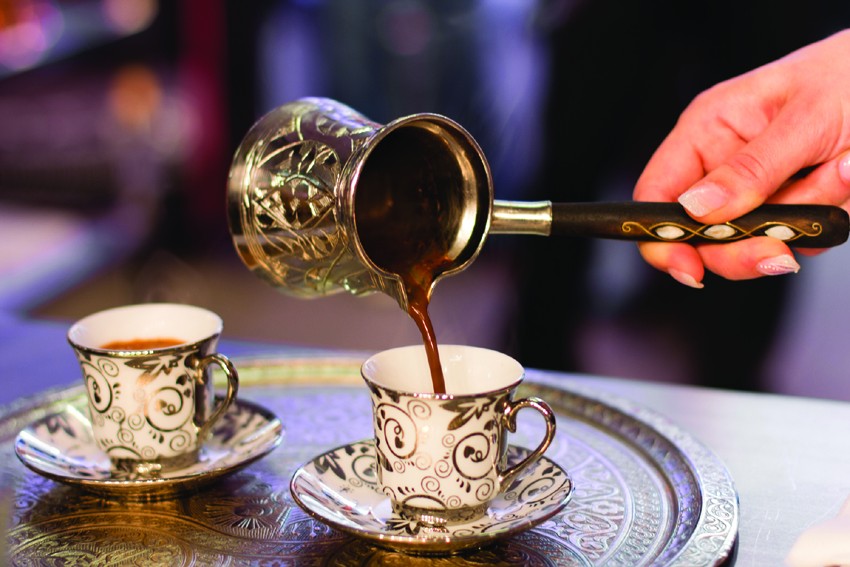
How is Turkish coffee made?
Weixin Official Accounts cafe_style In the 6th and 7th centuries, the Gaila people in Ethiopia began chewing coffee fruits and boiled grass leaves; in the 9th century, Persians boiled coffee fruits and used juice as medicine; by the mid-15th century, Yemen began to roast coffee beans inside the fruit and grind them together with the pulp before cooking

Turkish Coffee is the most exquisite Coffee Coffee
Coffee in the ancient Middle East, like the legendary myth of the 1001 night, is a veiled girl with a thousand faces, which can not only help get close to God, but also wash the spring of sadness. When it comes to coffee, we have to mention the Middle East (Turkey) coffee, because whether from the perspective of Islam or Christianity, the origin of coffee is in the remote and mysterious mountains of the Middle East. After the thirteenth to fifteenth centuries,
Have you tried Turkish coffee?
Arabs like to drink coffee, this kind of coffee is called Turkish coffee or Arabica coffee, the cup is small, strong, the color is close to black.
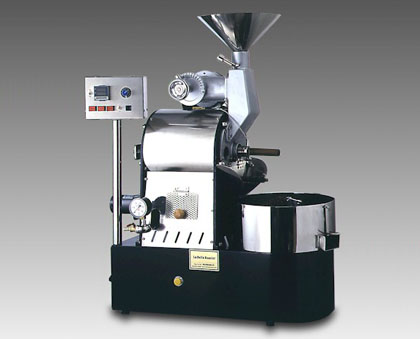
The evolution history of coffee roaster
As early as the 13th century, the Arabs invented to put coffee beans in a pot, stir-fry them with fire, grind them into powder, and then brew coffee. The early Arabs liked to bake the beans shallowly and boil them with spices such as cardamom. Later, this coffee stir-frying method spread to Syria, Turkey and Egypt, where it was used to stir-fry the coffee black, then grind it into powder and add it.

Turkish Coffee Culture Coffee in the Ancient Middle East
Coffee in the ancient Middle East, like the legendary myth of the 1001 night, is a veiled girl with a thousand faces, which can not only help get close to God, but also wash the spring of sadness. When it comes to coffee, we have to mention the Middle East (Turkey) coffee, because whether from the perspective of Islam or Christianity, the origin of coffee is in the remote and mysterious mountains of the Middle East. After the thirteenth to fifteenth centuries,
About the history of coffee roasters
The history of coffee roasters as early as the 13th century, the Arabs invented to put coffee beans in a pot, heat and stir-fry them, then grind them into powder, and then brew coffee. The early Arabs liked to bake the beans shallowly and boil them with spices such as cardamom. Later, this method of stir-frying coffee spread to Syria, Turkey and Egypt, where it was used to stir-fry coffee black.
The custom of drinking coffee the exquisite coffee path in Turkey
In the Middle East, being invited to someone's house for coffee represents the most sincere respect of the host, so in addition to praising the mellow coffee, guests should also remember not to drink water even if they are full of dregs, because it implies that the coffee is not good. Arabs drink coffee slowly, and they even have a set of exquisite coffee ways, just like the Chinese tea ceremony.

A cup of coffee with a cup of water Arabs are particular about drinking coffee.
Arabs like to drink coffee, this kind of coffee is called Turkish coffee or Arabica coffee, the cup is small, strong, the color is close to black. Usually, they have a drink after dinner or when they entertain guests, and it is a big part of their lives to go to a cafe when they are all right. This kind of coffee is popular in the Middle East, North Africa and Central Europe. Unlike other coffee, Turkish coffee
The historical origin of coffee? Do you know how many
Professional baristas Please follow the Coffee Workshop (official Wechat account cafe_style) at the beginning of the seventh century, in 575 AD, the Arab Karl was grazing in the Ethiopian steppes of Africa when he discovered a coffee tree. In the eighth century, Arabs used coffee as wine and medicine. In the ninth century, Arab Islam began to drink coffee by roasting and grinding raw beans. Arab merchants in the tenth century

Coffee drinking by Turkish locals is an unfiltered coffee culture.
Coffee in the ancient Middle East, like the legendary myth of the 1001 night, is a veiled girl with a thousand faces, which can not only help get close to God, but also wash the spring of sadness. When it comes to coffee, we have to mention the Middle East (Turkey) coffee, because whether from the perspective of Islam or Christianity, the origin of coffee is in the remote and mysterious mountains of the Middle East. After the thirteenth to fifteenth centuries,